Tracking what you eat can help you understand your habits, but it should never feel like homework. With the right tools and a relaxed approach, it becomes a quick routine.
Why track meals at all?
Most people are surprised by what a week of honest logging shows them: skipped vegetables, large portions of snacks, or too little protein at breakfast. Awareness is the first step to small, lasting changes.
Choosing a tracking app
- Large food database: the more foods it recognises, the less manual typing.
- Barcode scanning: speeds up packaged foods.
- Local foods: check that it covers the dishes you actually eat.
- Privacy: read what data the app collects before signing up.
Where a kitchen scale helps
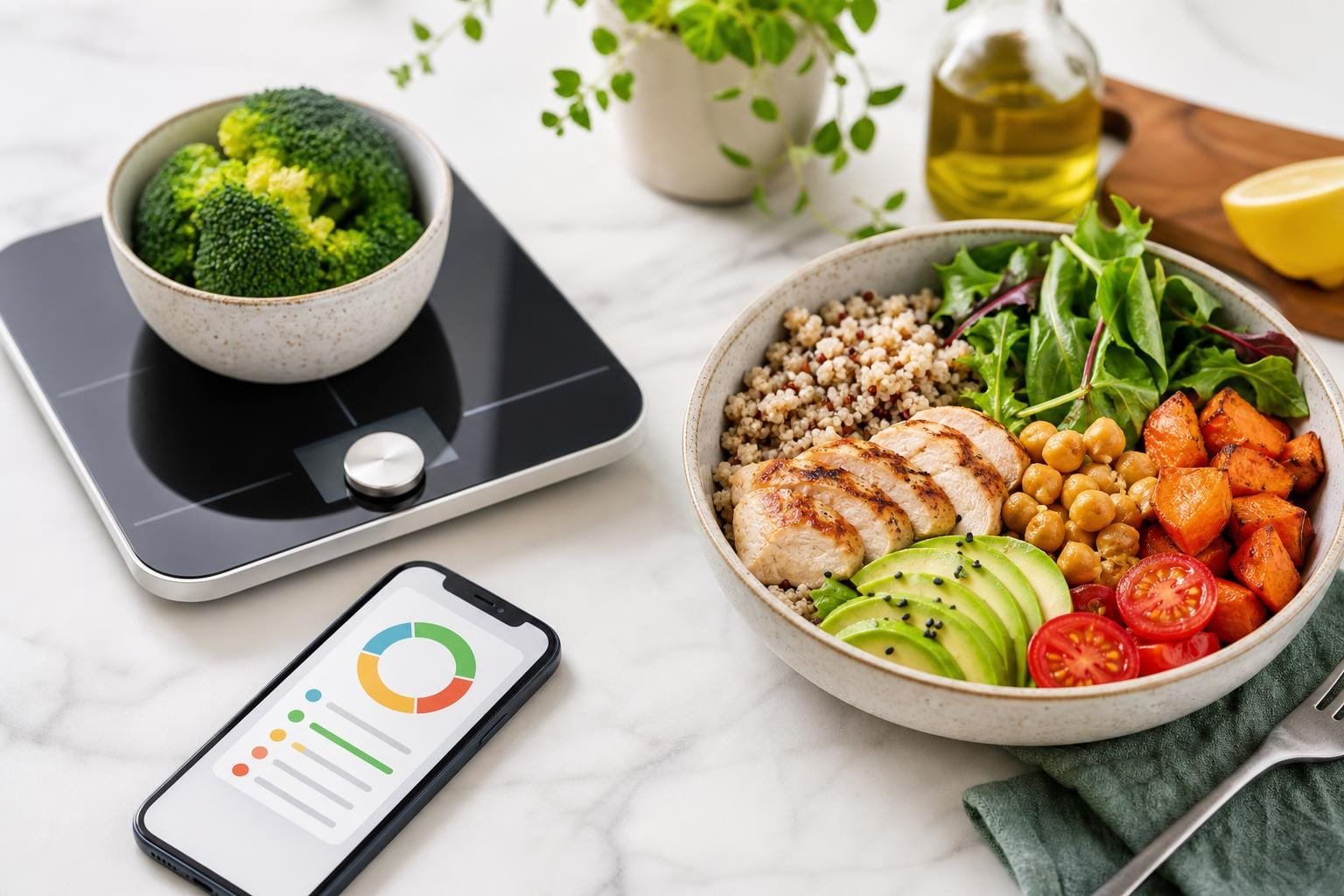
Estimating portions by eye is often inaccurate. A digital kitchen scale takes the guesswork out, and some models connect to a phone app so weights are logged automatically.
Tips to keep it stress-free
- Log meals right after eating, not at the end of the day.
- Save your regular meals so they take one tap.
- Aim for consistency over perfection.
- Take a break if tracking starts to feel stressful.
Technology is only part of the picture. Read how tech-driven personalised nutrition is evolving, and browse our list of useful foodie apps.
For general background, see Nutrition on Wikipedia. This article is general information, not medical advice. Talk to a qualified professional about your own dietary needs.